

Day after day, let the Yogi practice the harmony of the soul…A harmony in eating and resting, in sleeping and waking…Then his soul is a lamp whose light is steady…
Bhagavad Gita (trans. Juan Mascaro)
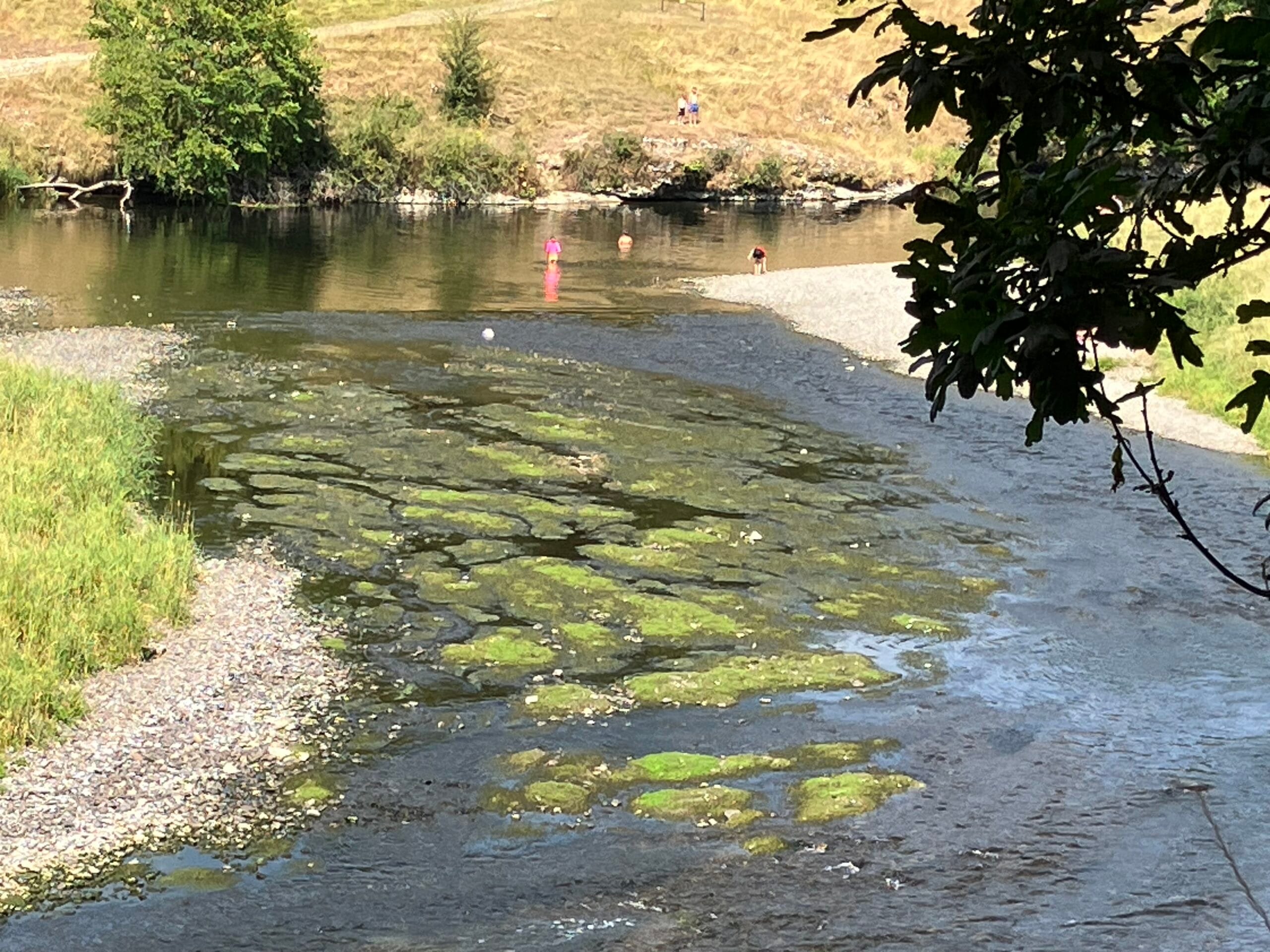
Much of Yoga asana is about balance. We move the spine in all its directions, extending, flexing, side-bending and rotating. We take great care to cultivate both sides of the body equally. And of course, we practice dynamic balancing, on feet, hands, arms, heads. Balancing both sides of the body is an under-appreciated, lifelong challenge. As Iyengar says in his book, Light on Life, “All of us begin with imbalances, favouring one side or the other. The active side must become the guru of the inactive side…”. Late medieval yogic texts poetically express our side differences in terms of the three great sacred rivers of India, with the left, lunar side being the river Ganga, the right, solar side being the river Yamuna, and the spine being the hidden Saraswati, river goddess of wisdom. The three rivers meet at Ajna, the third eye, the point between the eyebrows.
Nothing, of course, begins at the time you think it did
Lillian Hellman, quoted in Shubin, “Some assembly required”
But why are we not balanced on left and right sides of the body? After all, we do look symmetrical, at least from the outside when the arrangement of internal organs is not visible, and our most necessary actions require exquisite symmetry and balance; walking, running, swimming. Why can’t we write equally well with both hands, throw and lift equally well, why are postural preferences so marked? Before we become frustrated with ourselves, it may be reassuring to know that the origins of these left-right biases are truly ancient, if yet somewhat unknown. A startling example given by Peter MacNeilage is that of bottlenose dolphins herding trapped fish ashore, deliberately beaching themselves for feeding, right-side down nine times out of ten. Moving the axis of rotation from horizontal to vertical, this is similar to humans having a bias to turn to the left, anticlockwise, when standing. With our nearer primate relatives, there is a bias to cling with the right arm to a branch while reaching for fruit with the left hand, translating to a preference to hold and throw objects with the right hand, when attempting to stand on two feet on the ground (an uncommon but still naturally occurring behaviour in apes other than ourselves). The ancientness and pervasiveness of side biases suggests the explanation cannot lie in one specific adaptive behaviour or body plan. Two biological truths may be at play, as MacNeilage explains. The first is that the brain is an energy-guzzling machine, so if one side can do a job, such as speech perception or production, there is no need to repeat the processing on the other side, wasting valuable energy resources. In terms of control of movement, this can mean left-right specialisation, even if the information then needs to be broadcast to both sides of the body. The second truth is that every action involves the whole body. Flinging a spear with the right arm, requires the left side of the body to exquisitely maintain balance and absorb reaction forces. Again, specialisation of these functions is more economical than duplicating brain power.
And yet, as many of us who have suffered from difficulties caused by side imbalances such sacroiliac joint problems, knows, they can be debilitating. The life style we were adapted for, including much daily walking and running, helped balance the repetitive activities that created too much one-sided wear and tear. In our modern more sedentary life, such innocent behaviours as always crossing the right leg over the left, without the natural balance of the active symmetrical activities, can cause difficulties that are hard to remedy. Here the balancing actions of our Yoga practice can help us, maintaining freedom and joy in movement.
Come honour and balance our asymmetries with me!
Sources
Evolution of the Strongest Vertebrate Rightward Action Asymmetries: Marine Mammal Sidedness and Human Handedness, Peter MacNeilage, Psychological Bulletin, 2014, 140(2), 587-609.
Some assembly required: Decoding for billion years of life, from ancient fossils to DNA, by Neil Shubin